When guests search for luxury resorts on ChatGPT, Claude, or Perplexity, your property either appears as a top recommendation or it doesn’t exist.
The difference isn’t luck. It’s structured data.
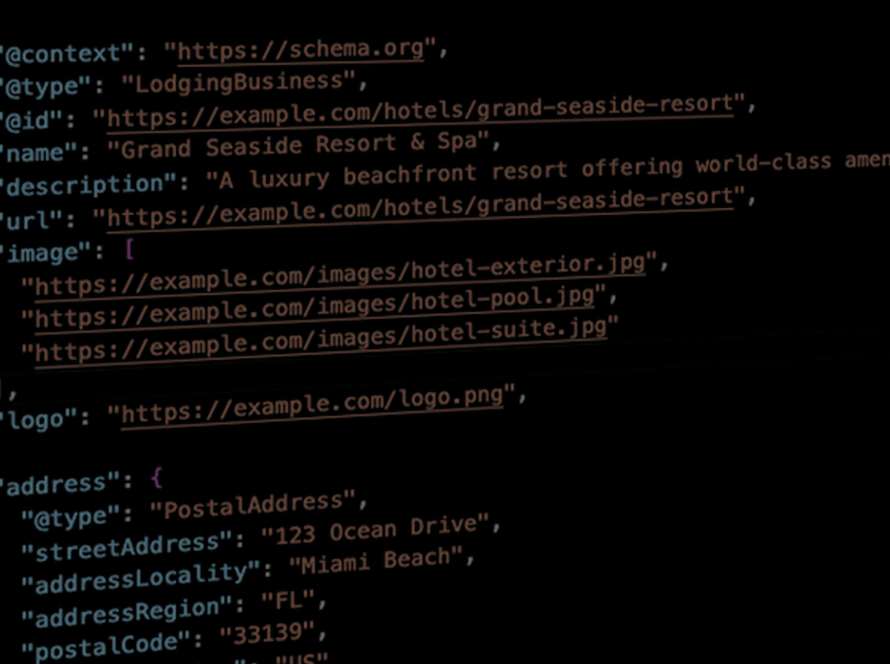
Most luxury properties assume their SEO work translates to AI visibility. It doesn’t. AI engines need specific formats (JSON-LD, schema.org) that traditional SEO doesn’t address. Without this foundation, you’re invisible to the 40% of travelers now using AI for travel research.
The Visibility Igniter fixes this in 90 days. Here’s exactly how it works.
The Problem: Invisible in the AI-Powered Discovery Era
Travel search behavior is shifting rapidly. Guests who once started on Google now begin their research with conversational AI:
- “Find me a luxury resort in Napa Valley with a Michelin-starred restaurant and spa”
- “What are the best family-friendly beach resorts in Hawaii?”
- “Recommend a romantic mountain retreat for our anniversary”
When AI engines respond to these queries, they draw from structured data to provide recommendations. Properties without proper implementation simply don’t appear. You’re not ranked lower. You’re not on page two. You’re completely absent from the conversation.
This isn’t a future problem. It’s happening now.
Why Traditional SEO Doesn’t Solve AI Visibility
SEO optimizes for ranking in search result lists. You want to appear in the top 10 results when someone searches “luxury resort Napa Valley.”
AEO (AI Engine Optimization) optimizes for being THE answer the AI provides. You want ChatGPT to recommend your property specifically when asked for Napa Valley luxury resorts.
The technical requirements are fundamentally different:
SEO focuses on:
- Keywords and content optimization
- Backlinks and domain authority
- Meta descriptions and title tags
- Page speed and mobile responsiveness
AEO requires:
- Machine-readable structured data (JSON-LD)
- Schema.org vocabulary for semantic meaning
- Intent mapping to conversational queries
- Proof signals (awards, reviews) in structured formats
Your existing SEO work helps with crawlability and indexing. But AI engines need explicit, structured information to understand what you offer and recommend you confidently.
What the Visibility Igniter Assessment Reveals
The Visibility Igniter begins with a comprehensive audit of your current state. We examine five critical areas:
1. Structured Data Implementation
We evaluate your website’s schema.org markup and JSON-LD implementation. Most luxury properties have little to none.
What we look for:
- Hotel schema for property information
- LodgingBusiness schema for accommodations
- Restaurant schema for dining venues
- Offer schema for packages and specials
- Review and rating aggregation
- Event schema for activities and experiences
What we typically find:
- Zero structured data implementation (60% of properties)
- Basic contact information only (30% of properties)
- Incomplete or incorrect schema (10% of properties)
- Proper, comprehensive implementation (less than 1%)
2. AI Engine Visibility Baseline
We test your property across major AI engines using the actual queries your potential guests would ask.
Platforms tested:
- ChatGPT (OpenAI)
- Claude (Anthropic)
- Gemini (Google)
- Perplexity
- Microsoft Copilot
Query categories:
- Direct property search (“Tell me about [Property Name]”)
- Attribute-based search (“Luxury resorts with [amenities]”)
- Intent-based search (“Best resort for [occasion/purpose]”)
- Comparative search (“Compare luxury resorts in [region]”)
- Booking-intent search (“Where can I book [property type] in [location]”)
For each query category, we document whether you appear, how you’re described, what competitors appear, and what information AI engines surface about you.
3. Intent Mapping and Content Gaps
We analyze the conversational queries guests actually use and map them to your content and data availability.
Common guest intents:
- Occasion-based (anniversary, wedding, family vacation, business retreat)
- Activity-focused (golf, spa, hiking, wine tasting)
- Amenity-driven (Michelin restaurant, private beach, helipad)
- Experience-seeking (romantic, adventurous, relaxing, cultural)
For each intent category, we identify:
- Whether you serve that intent
- Whether your content addresses it
- Whether it’s structured for AI discovery
- Gaps between what you offer and what’s discoverable
4. Proof Signals and Trust Indicators
AI engines look for validation when recommending properties. We audit how your awards, certifications, and social proof are presented.
What matters:
- Industry awards (Forbes, AAA, Condé Nast) in structured format
- Review aggregation from multiple sources
- Press mentions and media coverage
- Certifications (sustainability, safety, quality)
- Affiliations (Relais & Châteaux, Leading Hotels)
Common gap: You have the awards. They’re on your website. But they’re not in machine-readable formats that AI engines can process and trust.
5. Competitive Positioning Analysis
We benchmark your AI visibility against direct competitors in your market.
Who appears when you should? Why? What are they doing differently? Where are the opportunities?
This competitive intelligence informs your strategy and creates urgency. When you see competitors recommended where you should be, the path forward becomes clear.
The 90-Day Quick Wins
The assessment reveals your specific gaps. The quick wins address the highest-impact opportunities immediately.
Schema.org Implementation for Core Property Data
We implement structured data for your essential property information:
Property-level schema:
- Name, description, location
- Contact information
- Check-in/check-out times
- Price range and currency
- Star rating
- Amenity features
- Photo galleries
- Accessibility information
Offering-level schema:
- Accommodations (room types, capacity, amenities)
- Dining venues (cuisine type, price range, menu highlights)
- Spa and wellness offerings
- Activities and experiences
- Event and meeting spaces
This isn’t about marking up every page. It’s about creating the strategic, machine-readable foundation that makes you discoverable.
Intent Catalog Development
Based on the queries guests actually use, we create an intent catalog that maps conversational searches to your offerings.
Example intent mapping:
Guest query: “Romantic anniversary getaway in wine country”
Your response structure:
- Property: [Your resort name]
- Location: Napa Valley wine country
- Romantic amenities: Couples spa, private dining, vineyard views
- Anniversary packages: Champagne, special dinners, room upgrades
- Proof: Forbes 5-star, top romantic resort awards
This catalog guides content strategy and structured data implementation. You’re not just visible. You’re visible for the RIGHT queries.
Proof Signal Structuring
We take your existing awards, reviews, and certifications and structure them properly.
Review aggregation:
- Aggregate reviews from Google, TripAdvisor, Yelp
- Calculate overall rating across sources
- Present in AggregateRating schema
- Include review count and date ranges
Awards and recognition:
- Structure awards in proper schema
- Include issuing organization, date, category
- Link to verification sources where available
- Highlight recency (current year awards matter most)
Press and media:
- Notable mentions structured properly
- Publication name, date, article links
- Quotes or highlights in context
Measurement Dashboard Setup
You can’t improve what you don’t measure. We establish baseline metrics and tracking for AI visibility.
Key metrics:
- Appearance rate by AI engine and query type
- Competitive share of recommendations
- Accuracy of information presented
- Sentiment and positioning (how you’re described)
- Trending queries and opportunities
This dashboard becomes your ongoing visibility scorecard.
Quick Win Results
Within 90 days, you see measurable improvement:
- Increased appearance in AI engine results (typically 3-5x)
- More accurate and complete property information
- Better positioning against competitors
- Clear measurement of visibility performance
- Foundation for ongoing optimization
More importantly, you have the strategic infrastructure that enables everything else: conversational commerce, personalization, multi-channel distribution.
The Transformation Roadmap: Beyond Quick Wins
The 90-day engagement proves value and reveals the path to comprehensive AI visibility strategy.
Omni-Channel Content Platform Integration
Quick wins often involve manual structured data implementation. The transformation roadmap integrates this into your content management workflow.
The goal: When marketing updates the website, structured data updates automatically. When new offerings launch, they’re immediately AI-discoverable.
Requirements:
- Content management system evaluation
- Structured content modeling
- Automated schema generation
- Publishing workflows
- Quality assurance processes
This moves from tactical fixes to strategic content architecture. Your content team manages content once, and it distributes everywhere properly structured.
Expanded Intent Coverage
Initial quick wins focus on highest-impact intents. The roadmap expands to comprehensive coverage.
Additional intent categories:
- Seasonal opportunities (summer family, winter couples, holiday events)
- Local experiences (wine tasting, hiking, cultural attractions)
- Special events (weddings, corporate retreats, celebrations)
- Niche interests (photography, wellness, culinary, adventure)
Each intent category requires content and structured data strategy. The roadmap phases this work for maximum impact.
Dynamic Data Integration
Static information (property description, amenities) is table stakes. Competitive advantage comes from dynamic data.
Real-time information:
- Availability and booking options
- Current pricing and packages
- Special offers and promotions
- Events and activities calendar
- Weather and seasonal considerations
This requires integration between your content platform and operational systems (PMS, booking engines, event calendars). The roadmap defines the integration architecture and implementation phases.
Multi-Channel Optimization
Different AI engines have different strengths and behaviors. The roadmap addresses channel-specific optimization.
Channel strategies:
- ChatGPT: Conversational depth, booking integration via ACP
- Perplexity: Citation and source authority, Comet commerce integration
- Google Gemini: Integration with Google ecosystem (Maps, Travel)
- Voice assistants: Alexa, Siri, Google Assistant optimization
- Emerging platforms: Readiness for new AI channels
You’re not just visible. You’re optimized for how each channel works.
Continuous Optimization Program
AI engines evolve. Guest search behavior changes. Competitors improve. Visibility isn’t one-and-done.
The roadmap establishes an ongoing optimization program:
Monthly activities:
- Performance review against metrics
- Query trend analysis (what guests are asking)
- Competitive intelligence gathering
- Content and schema updates
- New opportunity identification
Quarterly activities:
- Strategic review with stakeholders
- Roadmap refinement
- Technology assessment
- Training and enablement
- Success celebration and communication
This transforms visibility from a project to a strategic capability.
The Foundation That Enables Everything
Here’s what many properties miss: visibility work creates the foundation for everything else.
The structured content and data architecture you build for AI discovery also enables:
Conversational Commerce: When guests find you via ChatGPT, they can book immediately. Your structured data includes availability, pricing, and booking capabilities. The conversation IS the commerce.
Personalization: The content and data structure supports cross-channel personalization. Your guest-centric AI uses the same knowledge base to deliver personalized experiences.
Operational Efficiency: Your team-centric AI accesses the same structured information. Staff get instant answers about property information, policies, and offerings.
Channel Agility: When new AI platforms emerge (and they will), you’re ready. Your structured data and content architecture plug into new channels quickly.
Visibility isn’t just about being found. It’s about building the strategic foundation that enables modern hospitality technology.
Why Properties Fail at AI Visibility (and How to Avoid It)
We’ve seen properties attempt AI visibility work and fail. Here are the common patterns:
Pattern 1: Tactical SEO Approach
What they do: Hire SEO agency to “optimize for AI”
Why it fails: SEO agencies optimize content, not structured data architecture. They add keywords, not schema.org markup. Different skillset, different outcome.
The solution: Work with partners who understand semantic web technologies, schema.org vocabulary, and AI engine requirements.
Pattern 2: Point Solution Mentality
What they do: Buy a “schema plugin” or “AI visibility tool”
Why it fails: Plugins generate basic markup but don’t understand hospitality intent, competitive positioning, or strategic content architecture.
The solution: Strategic approach that maps business objectives to technical implementation. Tools are part of the solution, not the solution itself.
Pattern 3: Abdication to Vendors
What they do: Ask their website vendor or PMS provider to “make us visible to AI”
Why it fails: Vendors rarely have the expertise or incentive. Closed vendor architectures limit what’s possible.
The solution: Own your content and data strategy. Vendors execute under your strategic direction, not dictate what’s possible.
Pattern 4: Waiting for Perfection
What they do: Want complete content and data strategy before starting
Why it fails: Perfect is the enemy of good. While they plan, competitors are executing and winning bookings.
The solution: Start with high-impact quick wins. Build foundation progressively. Prove value while building capability.
The Competitive Window Is Closing
Right now, almost no luxury properties have proper AI visibility infrastructure. The few that do are winning disproportionate share of AI-driven bookings.
This advantage won’t last forever. Eventually, proper structured data implementation will be standard. But right now, it’s a competitive differentiator.
First mover advantages:
- Establish authority in AI engines before competition
- Capture booking intent as behavior shifts
- Build expertise and processes ahead of market
- Protect direct booking channels from OTA AI dominance
The urgency: Every month you wait, competitors move forward. OTAs invest billions in AI infrastructure. The gap between AI-visible and AI-invisible properties widens.
What Success Looks Like
Properties that complete the Visibility Igniter and continue the transformation roadmap see:
Immediate metrics (90 days):
- 3-5x increase in AI engine appearances
- Measurable improvement in query relevance
- Competitive positioning improvements
- Foundation for conversational commerce
Six-month outcomes:
- Systematic structured data management
- Comprehensive intent coverage
- Dynamic data integration
- Multi-channel optimization
Long-term transformation:
- AI visibility as core competency
- Channel-agile content distribution
- Foundation enabling personalization and automation
- Competitive advantage in AI-driven booking era
More fundamentally, you shift from hoping guests find you to strategically ensuring they do.
Your Next Step
The Visibility Igniter assessment takes 1-4 weeks depending on engagement tier. You receive:
- Comprehensive visibility audit across all major AI engines
- Gap analysis of your structured data implementation
- Competitive positioning analysis
- Intent mapping and content strategy
- 90-day quick wins plan
- Strategic transformation roadmap
The assessment reveals exactly what’s keeping your property invisible and creates the path to fix it.